Make Data Work for You: 5 Must-Have Features in your Data Analytics Platform
You must have these 5 features in your data analytics platform if you want to make your data work harder but smarter and give you the insights that matter most!

You must have these 5 features in your data analytics platform if you want to make your data work harder but smarter and give you the insights that matter most!
Read on to know about the next wave of data engineering tools and techniques that are reshaping the industry standards and driving innovation.

This blog post highlights practical REST API concepts like pagination, rate limiting, filtering, data formats, and error handling.
Gen AI revolutionizes data analytics by automating data interpretation, and generating insights, allowing organizations to fully leverage their data.
Learn about Data Mesh, a strategic framework that is reshaping how businesses approach data architecture, management, and analytics.
Secure your REST API: compare OAuth 2.0, JWT tokens, API keys, and Basic Auth. Code examples + security best practices for 2025.
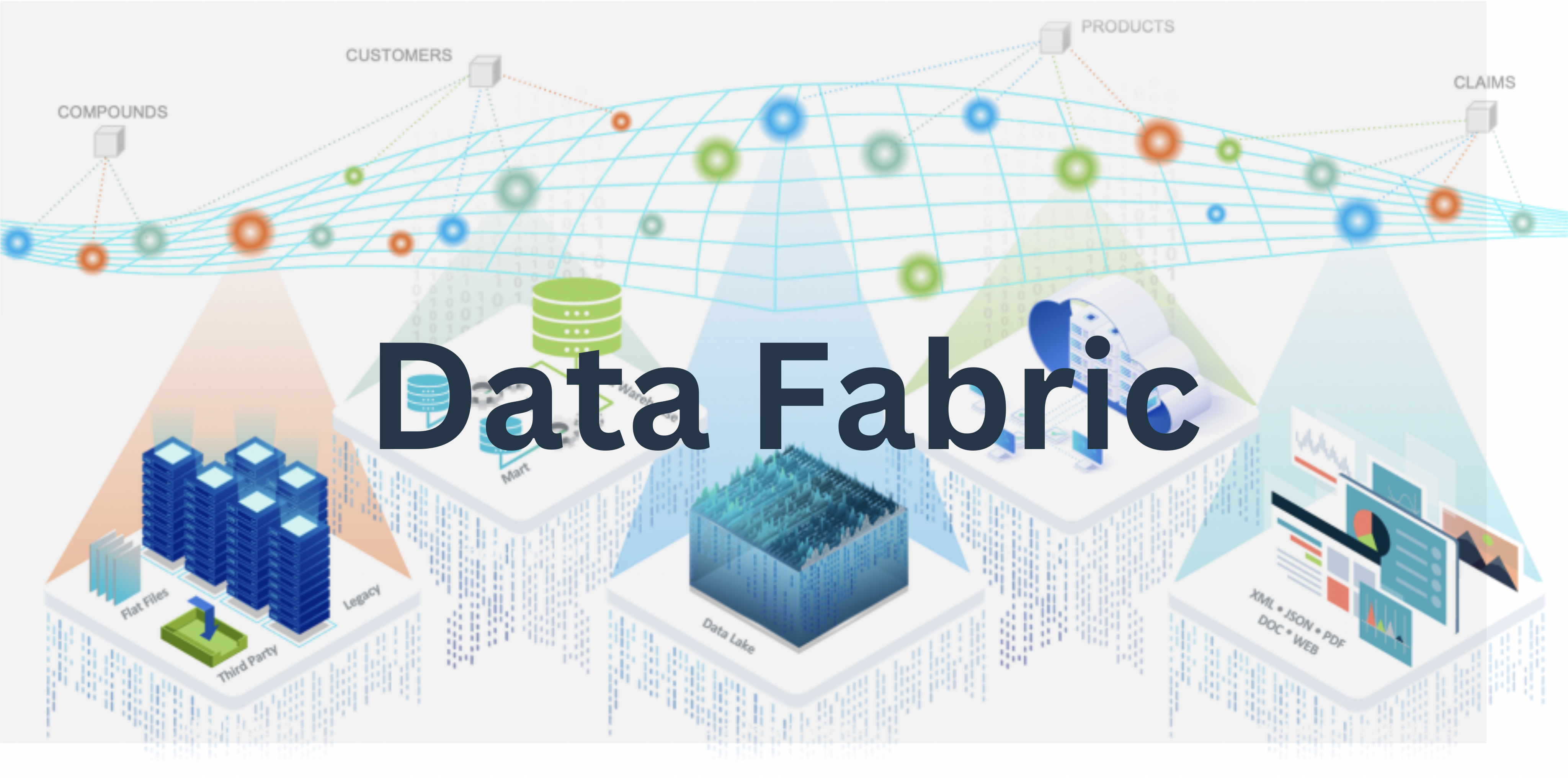
Learn about Data Fabric, a data management methodology that helps you with unified access to all your data, simplifies management and unlocks insights.
Choose Elasticsearch if you need real-time search, log analytics, full-text queries, and scalable handling of unstructured or semi-structured data. Choose MySQL if you need structured schemas, strong transactional integrity (ACID), relational joins, and reliable OLTP performance. The right choice depends on whether your priority is search & analytics speed or transactional consistency and structure. TL;DR …
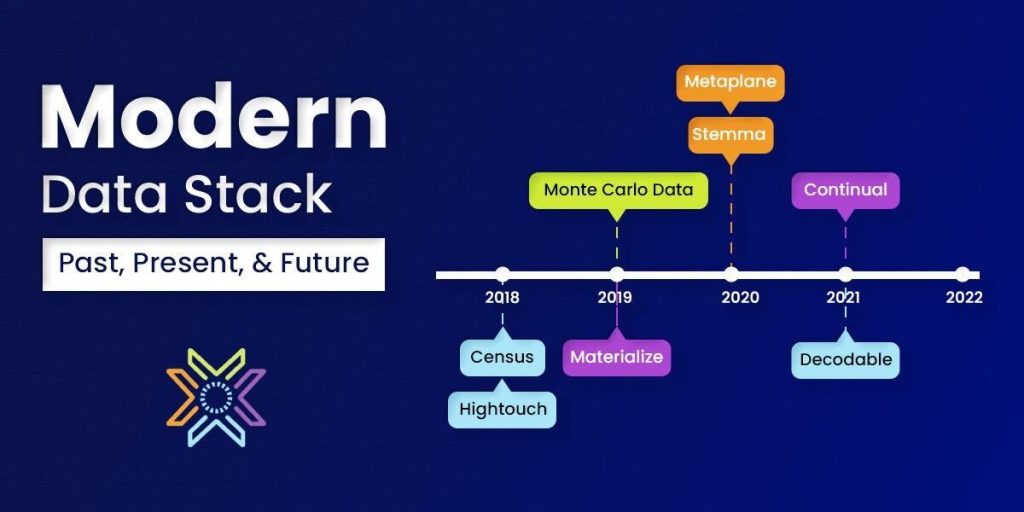
A group of technologies that comprise a data pipeline is referred to as the modern data stack. It enables businesses to gather data from multiple data sources, push it into a data warehouse, and connect the data warehouse to a business intelligence tool for tasks like data visualization to speed up decision-making.
You can think of search-based analytics as a search engine for your company data. Search-based analytics is the ability to ask questions like “what was our net revenue last quarter” or “show me how many people downloaded our app in the last 30 days sorted by week” and get back actionable data and charts.