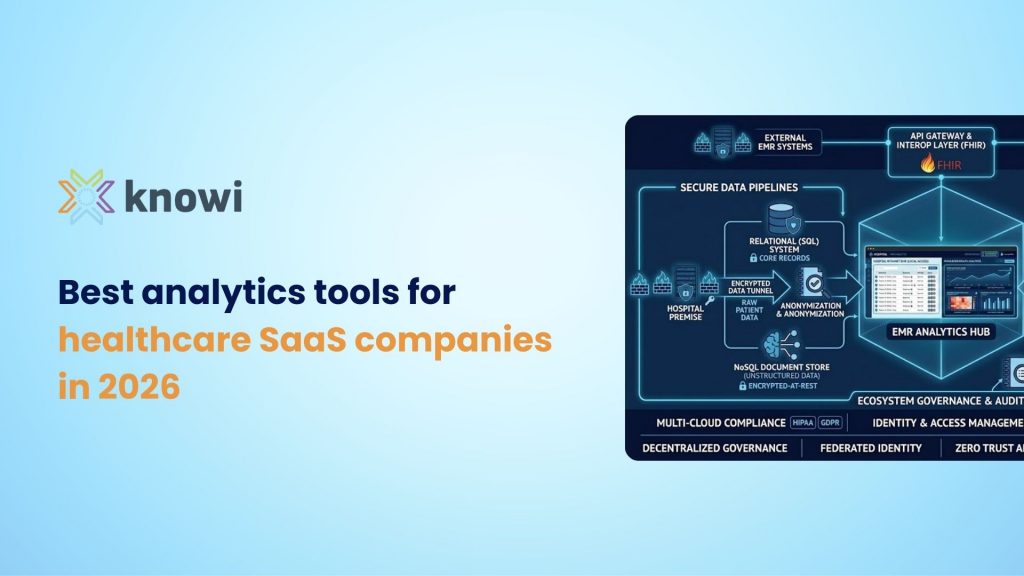
Healthcare SaaS Analytics Tools: Best Platforms for 2026
Compare the best healthcare SaaS analytics tools in 2026. Learn how embedded analytics platforms support HIPAA security and multi-tenant dashboards
Compare the best healthcare SaaS analytics tools in 2026. Learn how embedded analytics platforms support HIPAA security and multi-tenant dashboards
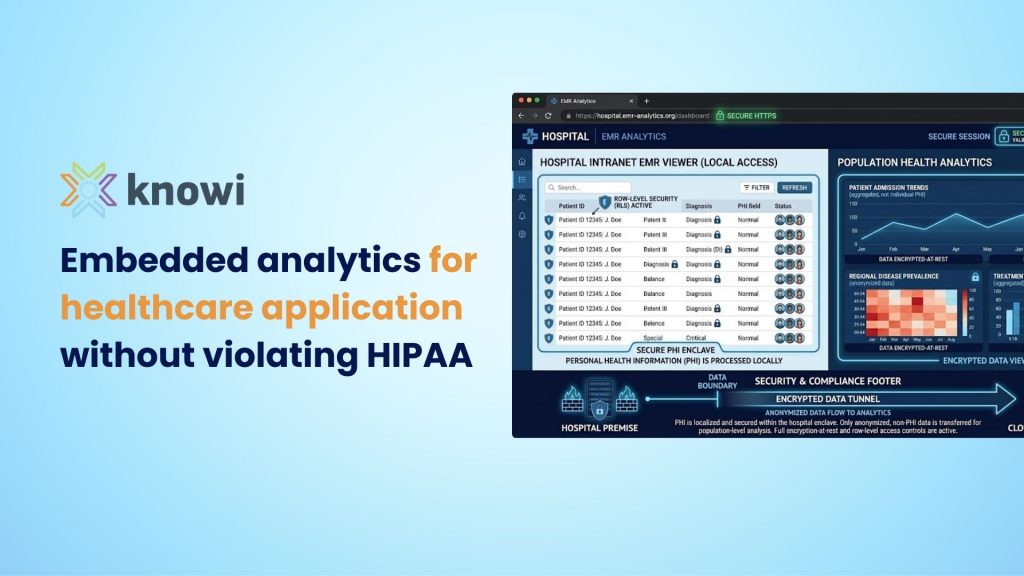
Learn how to embed analytics in healthcare without violating HIPAA. Compare secure methods, BAAs, and deployment options. Book a demo.
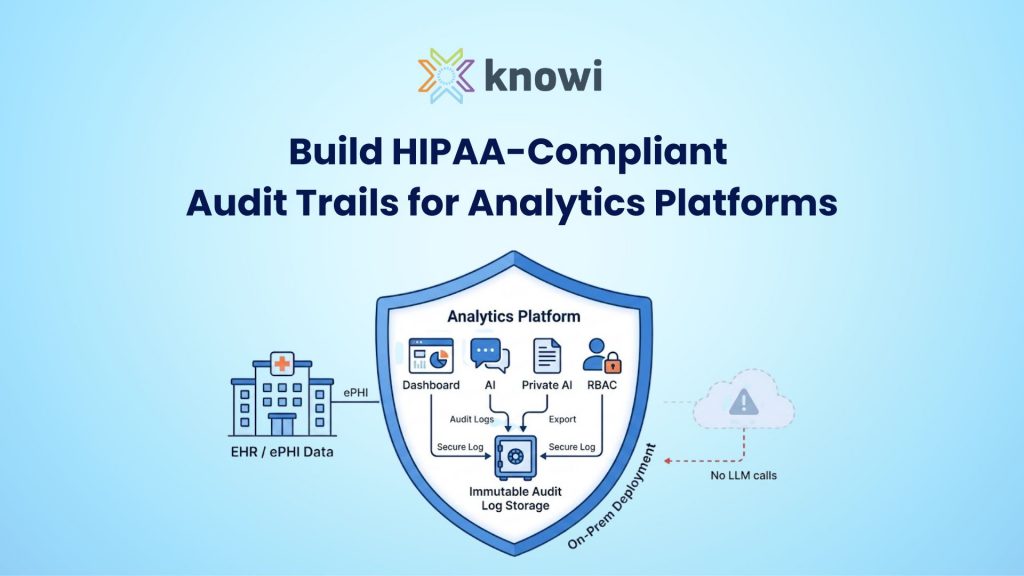
To build HIPAA-compliant audit trails for analytics platforms, you must log and examine every access event involving ePHI, including queries, dashboard views, exports, and AI interactions. You also need role-based access control, row-level security, immutable log retention, and documented review workflows. Quick Summary (TL;DR) HIPAA 45 CFR 164.312(b) requires organizations to both record and examine …
How Do You Build HIPAA-Compliant Audit Trails for Analytics Platforms? Read More »
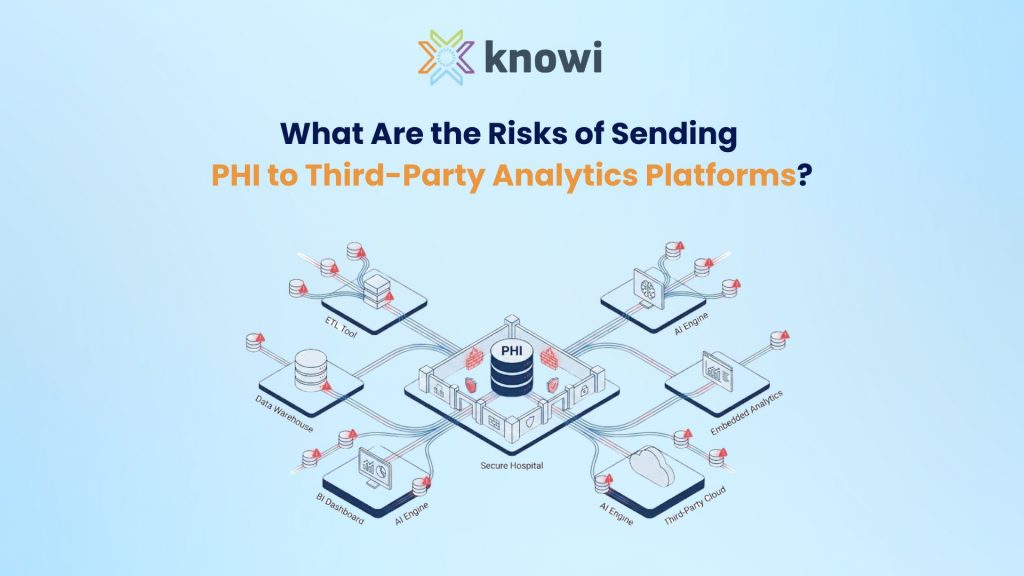
Sending PHI to third-party analytics platforms increases breach exposure, HIPAA compliance risk, and loss of control over data access, retention, and subprocessor chains. Key risks include weak BAAs, data duplication through extracts, tracking technology disclosures, incomplete audit logging, and AI-related data transmission. Quick Summary (TL;DR) A Business Associate Agreement is required before any third party …
What Are the Risks of Sending PHI to Third-Party Analytics Platforms? Read More »
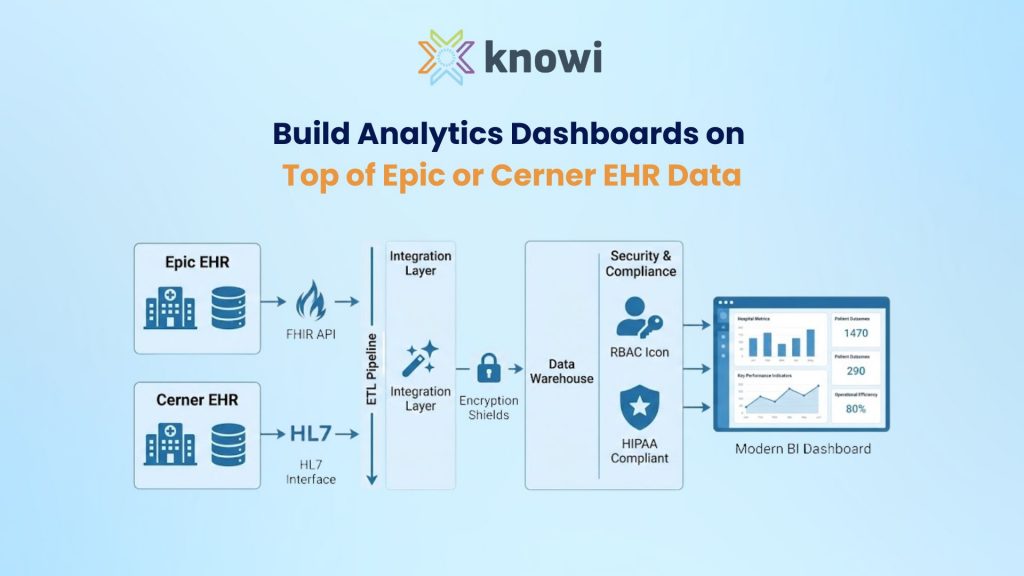
To build analytics dashboards on Epic or Cerner EHR data, connect to reporting layers such as Epic Clarity, Caboodle, or Cerner ODS instead of the live transactional database. Use FHIR APIs for standards-based access where appropriate. Enforce HIPAA controls through on-prem deployment, row-level security, audit logging, and minimum-necessary dataset design. Quick Summary (TL;DR) Never query …
How to Build Analytics Dashboards on Top of Epic or Cerner EHR Data Read More »
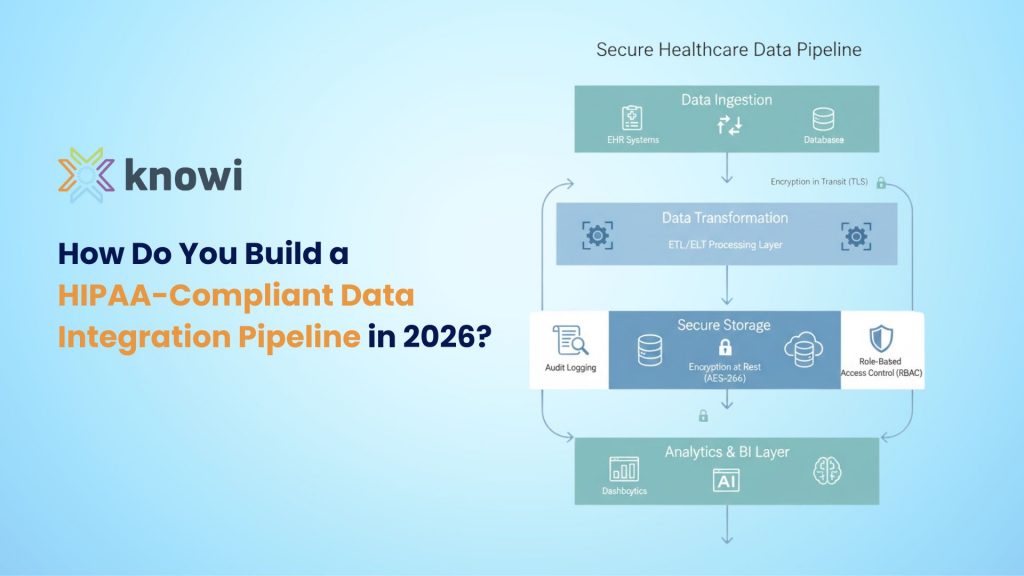
Learn how to build a HIPAA-compliant data integration pipeline with encryption, RBAC, and audit controls. See architecture best practices.
Is Power BI HIPAA compliant in 2026? Learn BAA coverage, Copilot risks, pricing, and healthcare deployment considerations.
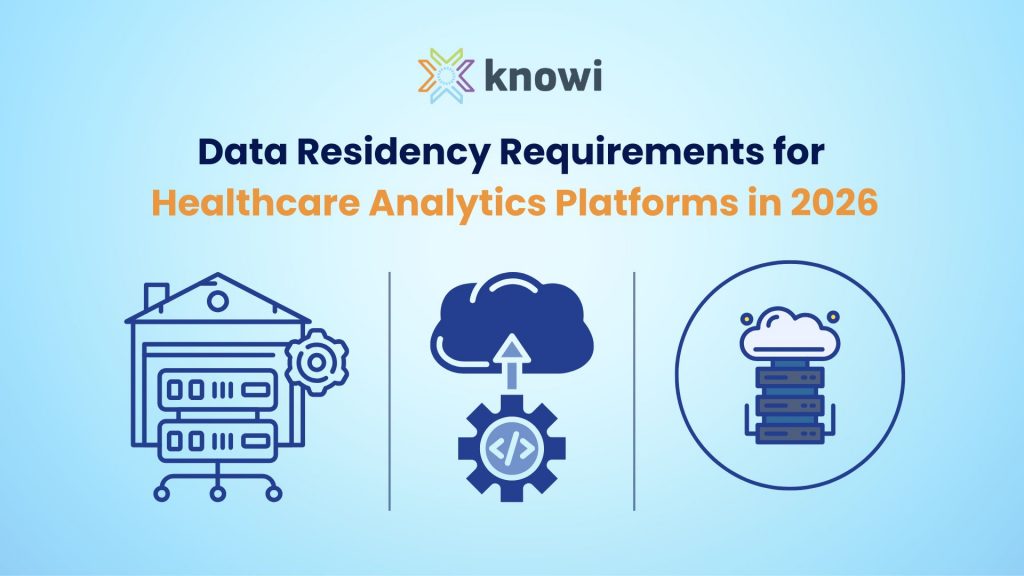
Healthcare analytics platforms must comply with HIPAA, GDPR, and regional health data laws that govern where PHI is stored, processed, queried, and where AI inference runs. In 2026, residency extends beyond server location to include ETL pipelines, AI APIs, and cross-border data flows. See What is HIPAA-compliant analytics? for a foundational overview of compliance requirements. …
What Are Data Residency Requirements for Healthcare Analytics Platforms in 2026? Read More »
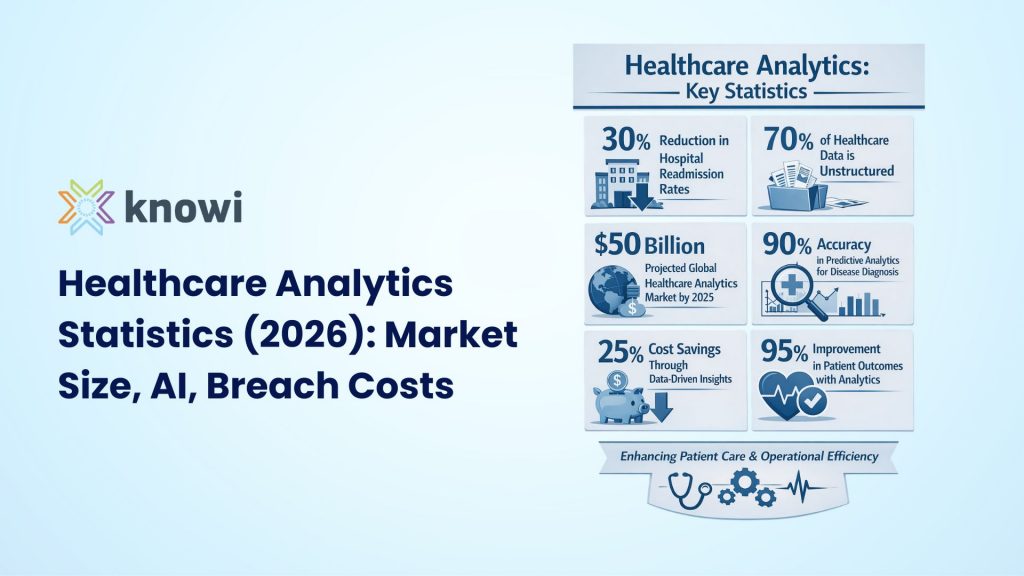
The healthcare analytics market is valued between $53 billion and $64 billion in 2025, depending on the research firm, and is projected to exceed $166 billion by 2030. Healthcare organizations generated 30% of the world’s data in 2025, yet 97% of hospital data goes unused. Meanwhile, healthcare data breaches cost an average of $7.42 million …
Healthcare Analytics Statistics 2026: Market Size, AI, Breach Costs Read More »
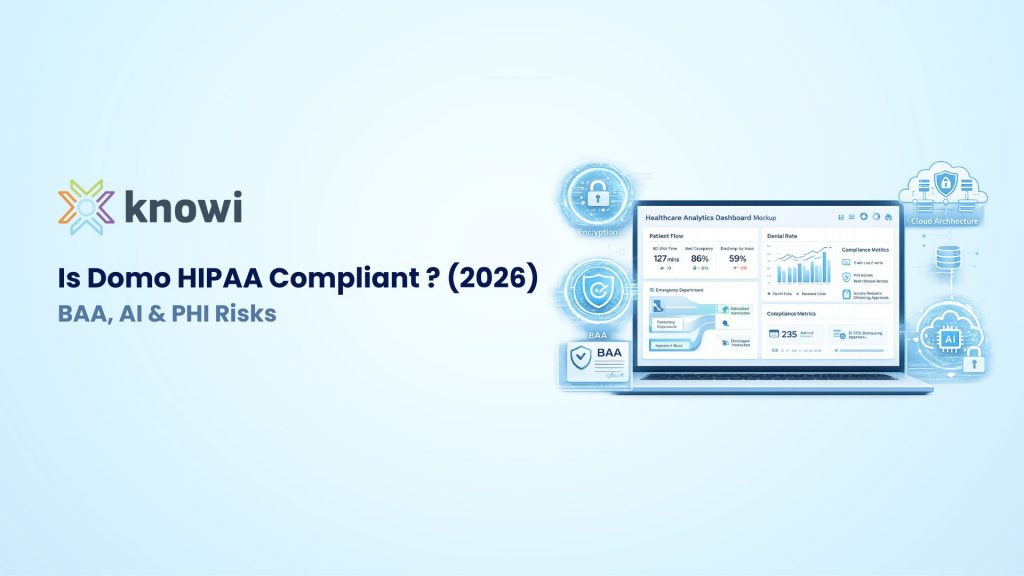
Domo can be used for HIPAA-regulated workloads if you sign a Business Associate Agreement and configure required safeguards. It is not HIPAA compliant out of the box. Compliance depends on contractual coverage and proper security configuration. Quick Summary (TL;DR) Domo can support HIPAA-regulated healthcare analytics if you sign a Business Associate Agreement (BAA) and properly …
Is Domo HIPAA Compliant in 2026? BAA, AI & PHI Risks Read More »