
What Is a Semantic Layer? The 2026 Guide
A semantic layer is a governed, machine-queryable map of business meaning over your data. What it is, the 4 architectures, and why AI made it essential.
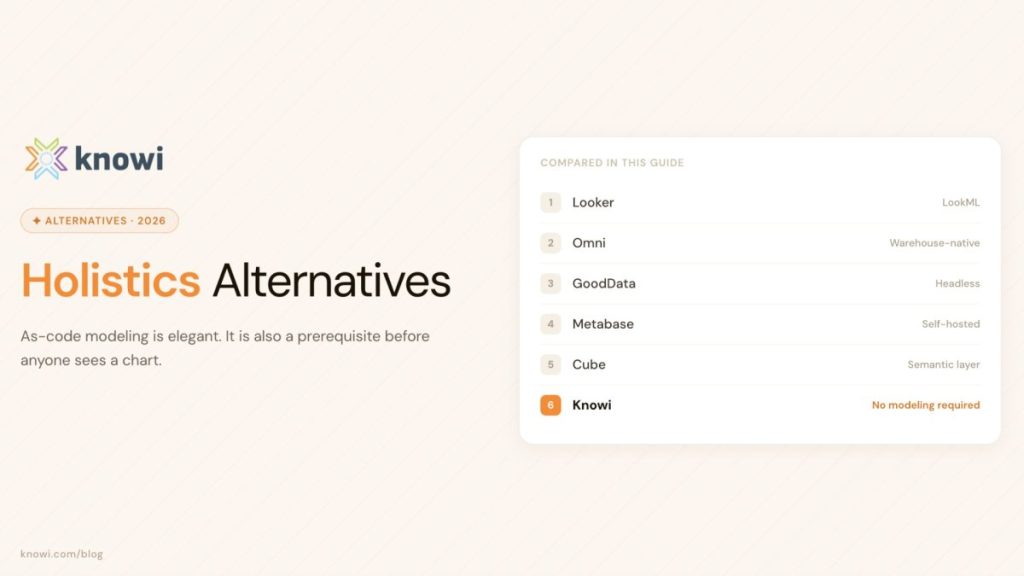
Holistics alternatives
The main Holistics alternatives in 2026 fall into two groups: dbt-native, code-first tools such as Lightdash, Preset, and Mode, and broader BI…
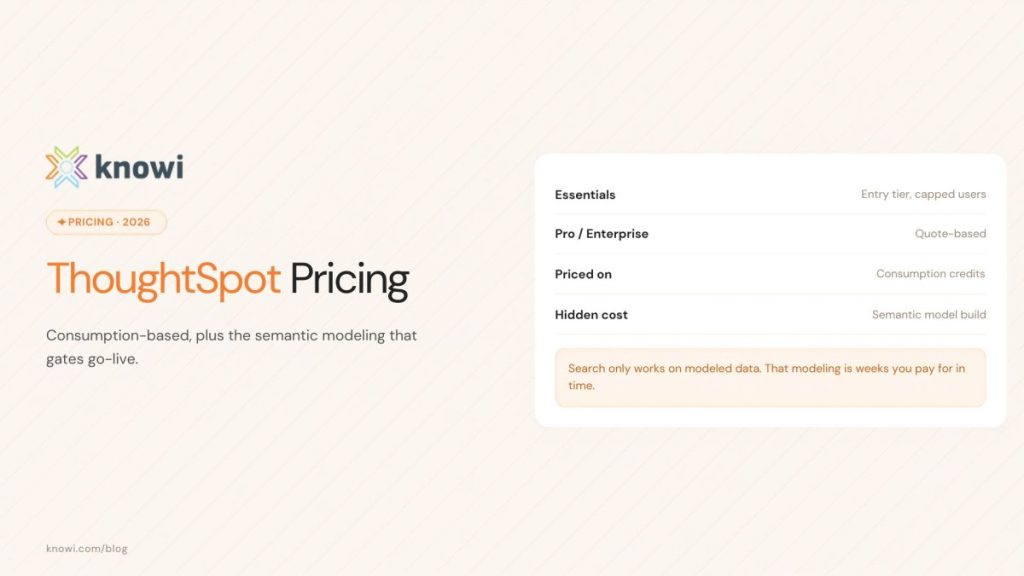
ThoughtSpot Pricing
ThoughtSpot’s pricing is not one number. Essentials costs $25 per user per month for 5 to 50 users, Analytics Pro bills $0.10 per consumption credit…
Domo vs Microsoft Fabric vs Power BI: 2026 Comparison
Domo vs Microsoft Fabric vs Power BI after the Progress acquisition: real pricing math, migration effort, and what to ask before you renew or rebuild.
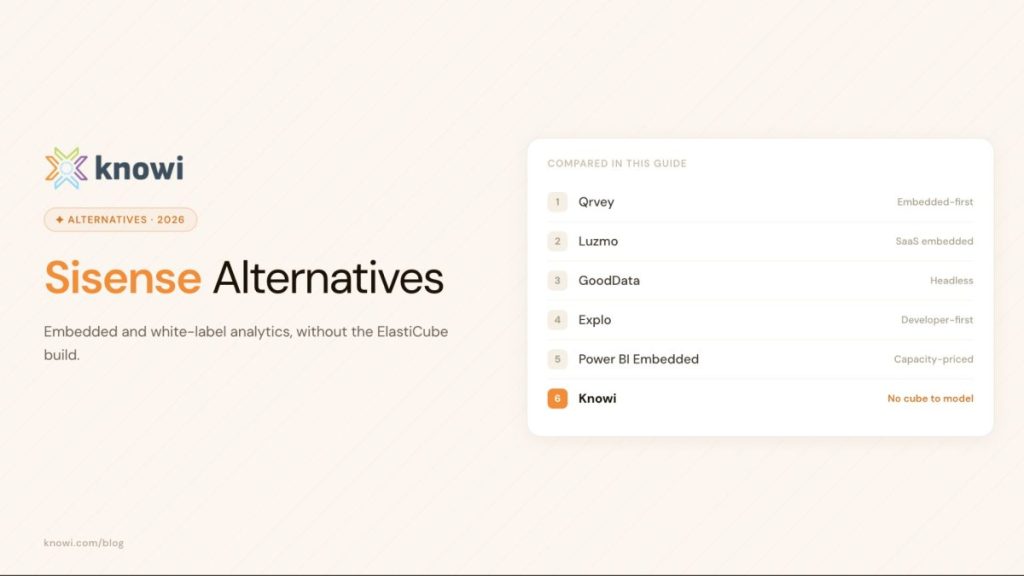
Sisense Alternatives in 2026: A Migration Guide
Sisense alternatives worth evaluating in 2026 include Power BI, Tableau, Looker, Qlik Sense, ThoughtSpot, Domo, and Knowi. Each handles the…
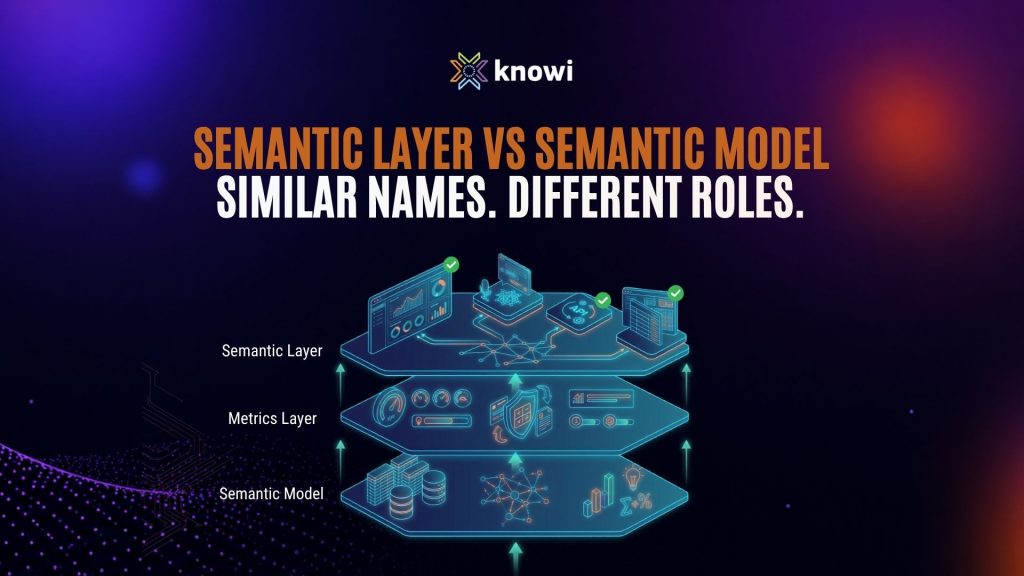
Semantic Layer vs Semantic Model vs Metrics Layer
A model describes meaning, a layer serves it, a metrics layer models less. The differences, the Power BI rename, and which one your team actually needs.
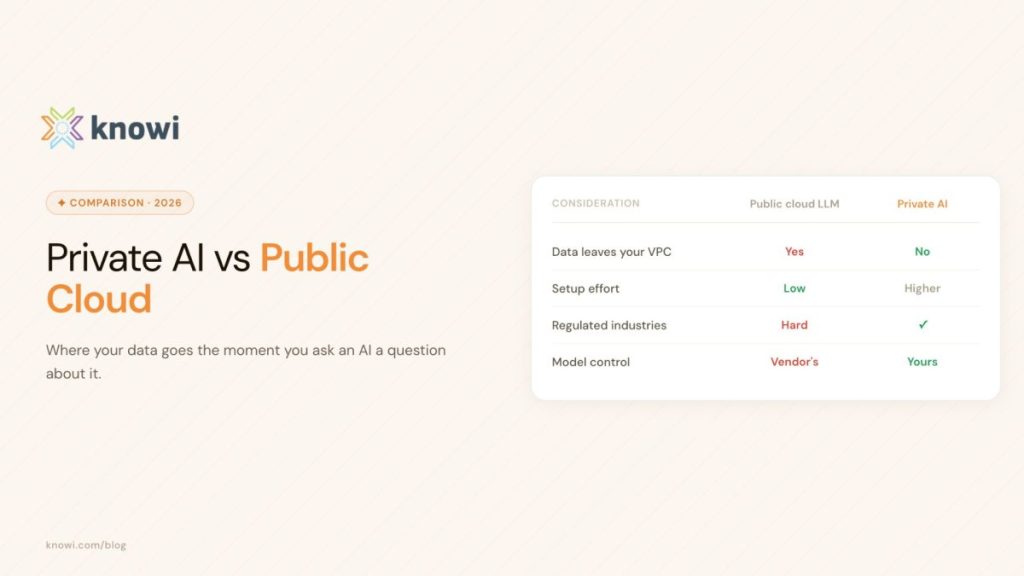
Private AI vs public cloud analytics
As of 2026, the choice between Private AI vs public cloud analytics depends on data residency and cost. Private AI deployments, such as Knowi,…
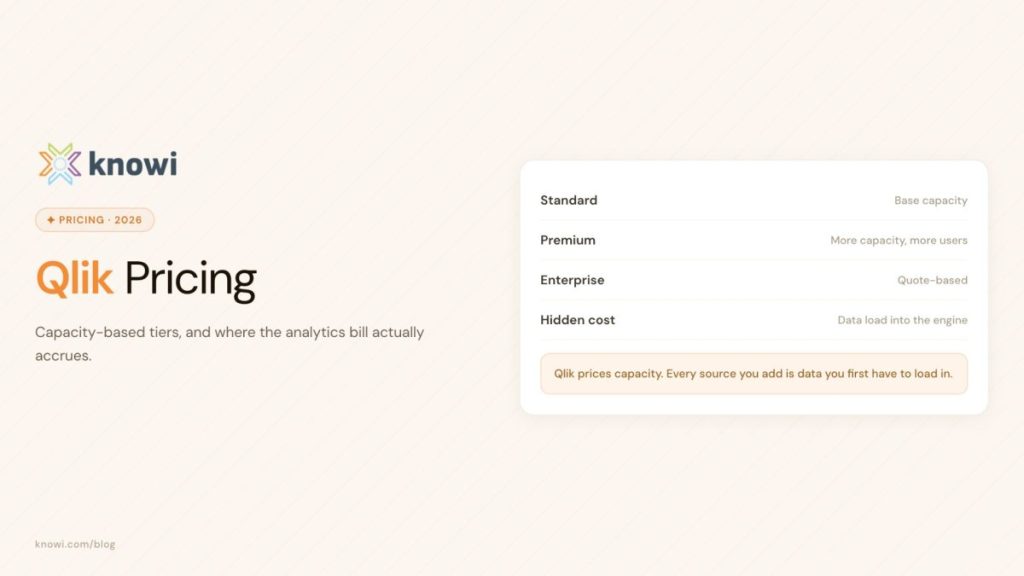
Qlik Pricing
Qlik pricing in 2026 spans four Cloud Analytics tiers on Qlik’s official pricing page: Starter at $300 per month for 10 users, Standard starting at…
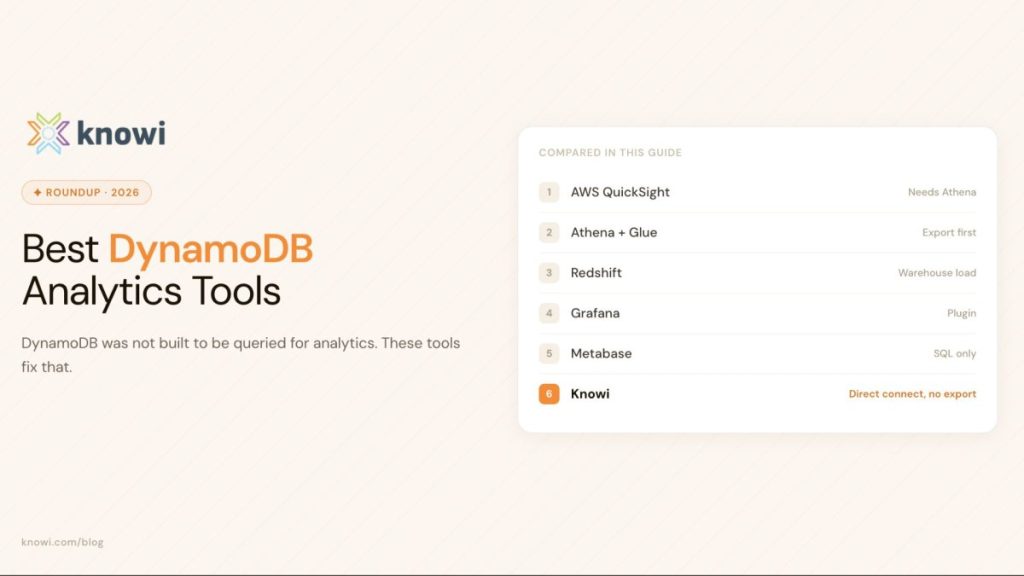
DynamoDB data visualization tools
Leading DynamoDB data visualization tools in 2026 include AWS QuickSight, Power BI, Tableau, Grafana, and Knowi. QuickSight commonly reaches DynamoDB…